When Green Tape Halts Progress: The Newell Street Bridge Dilemma

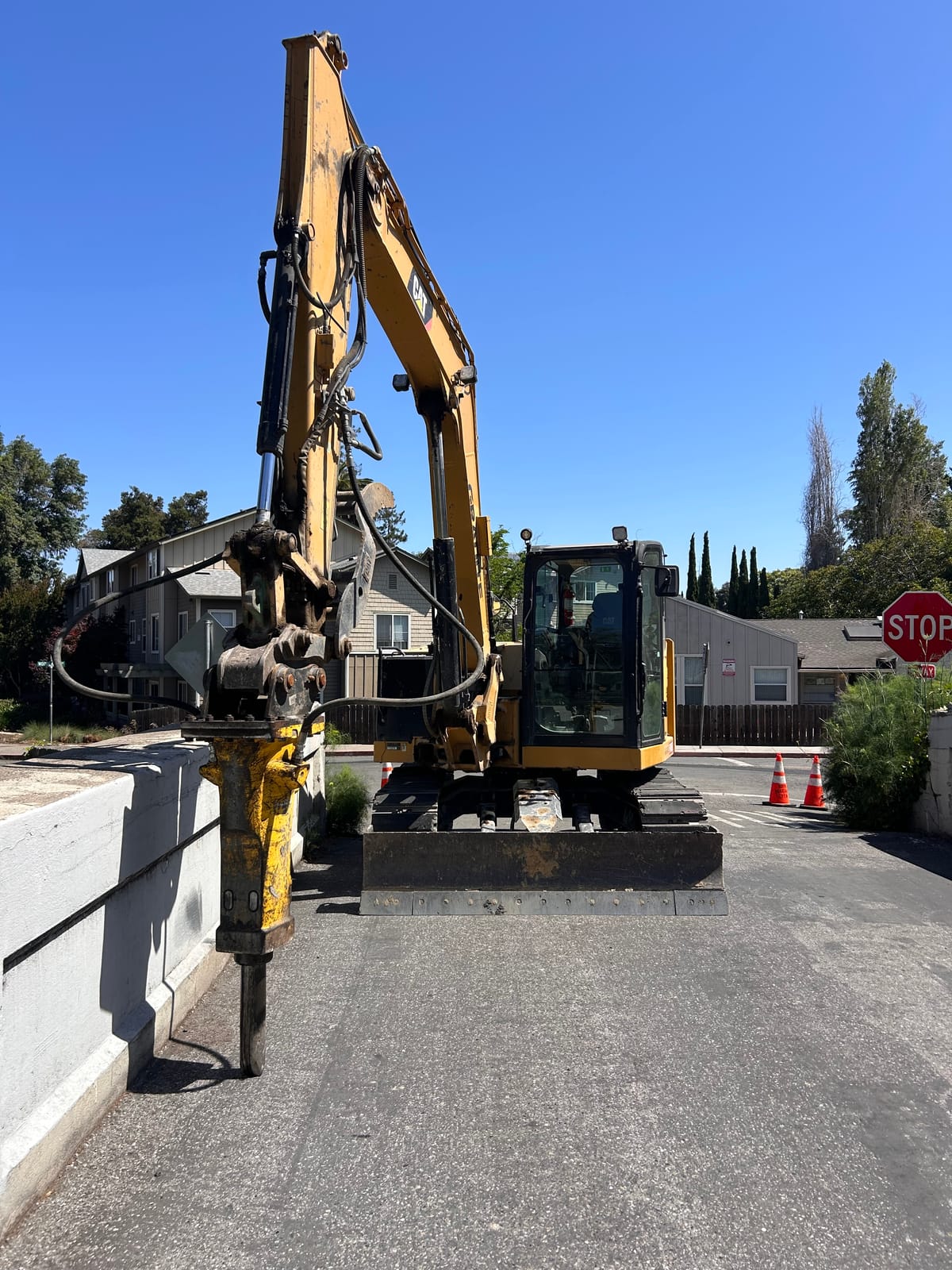
On Thursday, May 21st, the City of Palo Alto hosted a celebratory event marking the kickoff for the construction of the Newell Street Bridge. Built way back in 1911, this bridge is finally being replaced as part of the San Francisquito Creek Joint Powers Authority (SFCJPA) flood improvement project. The upgrade promises a lot of great things: a wider design for better pedestrian and bicycle access, and crucially, increased water flow underneath to protect our community from flooding.
But if you walk by the creek today, you will notice a frustrating reality. Despite the big kickoff event, heavy machinery isn’t moving.
At a recent SFCJPA meeting, I ran into the project engineer and asked how things were going. I was surprised to hear that construction hadn’t actually started. The culprit? Two bird nests found tucked under the old bridge.
Are they an endangered species? No. They are just common finches. Can they be safely relocated? Absolutely—but doing so legally would require an arduous 60-day waiver process with the state government.
Because of the strict regulatory window for creek construction—which is limited to avoid the winter rainy season—this minor delay risks pushing the project well past its original March 2027 completion date and driving up taxpayer costs dramatically.

The Legal Reality Behind the Delay
How does a common songbird hold up a major municipal infrastructure project? The engineering team’s hands are completely tied by an overlapping web of federal and state laws. If they disturb those nests, they face severe criminal liabilities.
Here is a summary of the legal framework currently keeping the Newell Street Bridge project at a standstill:
1. Federal Protection: The Migratory Bird Treaty Act (MBTA)
Established in 1918, the MBTA is an international treaty (spanning agreements with Canada, Mexico, Japan, and Russia) protecting more than 1,000 native bird species from hunting and habitat destruction.
- What it prohibits: Section 703 makes it strictly unlawful to pursue, hunt, take, capture, kill, or disturb protected birds, their parts, their eggs, or their active nests—even during construction or landscaping. Notably, this includes non-migratory native birds, like our local finches.
- The Penalties: Violations are treated as misdemeanor offenses. Individuals can face a maximum fine of $5,000 and up to six months in prison, while associations or corporations face up to a $10,000 fine.
2. State Protection: California Fish and Game Code
California builds even stricter guardrails on top of the federal rules, enforced locally by the California Department of Fish and Wildlife (CDFW).
- Section 3503: Explicitly prohibits the destruction of the nest or eggs of any bird. Exceptions are only granted with specific permits, usually limited to extreme public safety hazards.
- Section 3503.5 & 3513: Section 3503.5 adds extra protections for birds of prey (hawks, owls, falcons), while Section 3513 codifies federal MBTA protections directly into California state law.
- The Penalties: Violations can result in a fine of up to $5,000, up to six months in the county jail, or both.
3. State Reinforcement: California Migratory Bird Protection Act (AB 454)
Passed in 2019, this act ensures that even if federal enforcement of the MBTA fluctuates or weakens, California state law independently safeguards migratory birds, their eggs, and active nests. Under these state rules, commercial entities like arborists, developers, and public works projects are required to conduct pre-activity surveys during breeding season. If an active nest is found, work must stop or be routed around the nest under a biologist's supervision until the chicks fledge (leave the nest).
What About Bigger Birds?
While it doesn't apply to our finch situation, it’s worth noting that the Bald and Golden Eagle Protection Act (BGEPA) imposes even steeper federal penalties for disturbing eagles or their nests. A first-time misdemeanor offense carries fines up to $5,000 for individuals and $10,000 for organizations, plus up to a year in prison. Subsequent violations upgrade to felonies, carrying massive fines up to $250,000 for individuals and $500,000 for organizations, along with the potential forfeiture of vehicles and construction equipment.
Summary of Penalties for Nest Disturbances
| Regulation | Common Scope | Maximum Individual Fine | Maximum Imprisonment |
| Federal MBTA | Native birds & active nests | $5,000 | 6 months |
| CA Fish & Game Code | All native bird nests & eggs | $5,000 | 6 months |
| Federal BGEPA (First Offense) | Bald and Golden Eagles / nests | $5,000 | 1 year |
Environmental Protection or a Bureaucratic Veto?
No one is arguing against protecting biodiversity. California's wildlife is part of what makes living here beautiful. But this delay on a relatively small public works project highlights a much larger systemic problem: environmental regulations have evolved into a permanent veto over essential development.
We have built a regulatory climate designed to halt progress rather than move forward with sensible compromise. When a couple of incredibly common birds can paralyze a vital flood-protection project—leaving a community vulnerable and costing taxpayers thousands of dollars in delays—the system is broken.
What happens next? Do we stop the next transit project because a squirrel is nesting? Do we freeze housing construction because someone spots a spider web? Environmental factors should absolutely have a seat at the table, but they must be balanced against public safety and infrastructure needs. Right now, our laws aren’t acting as a shield for nature—they are being used as a bureaucratic cudgel to block change in our built environment.