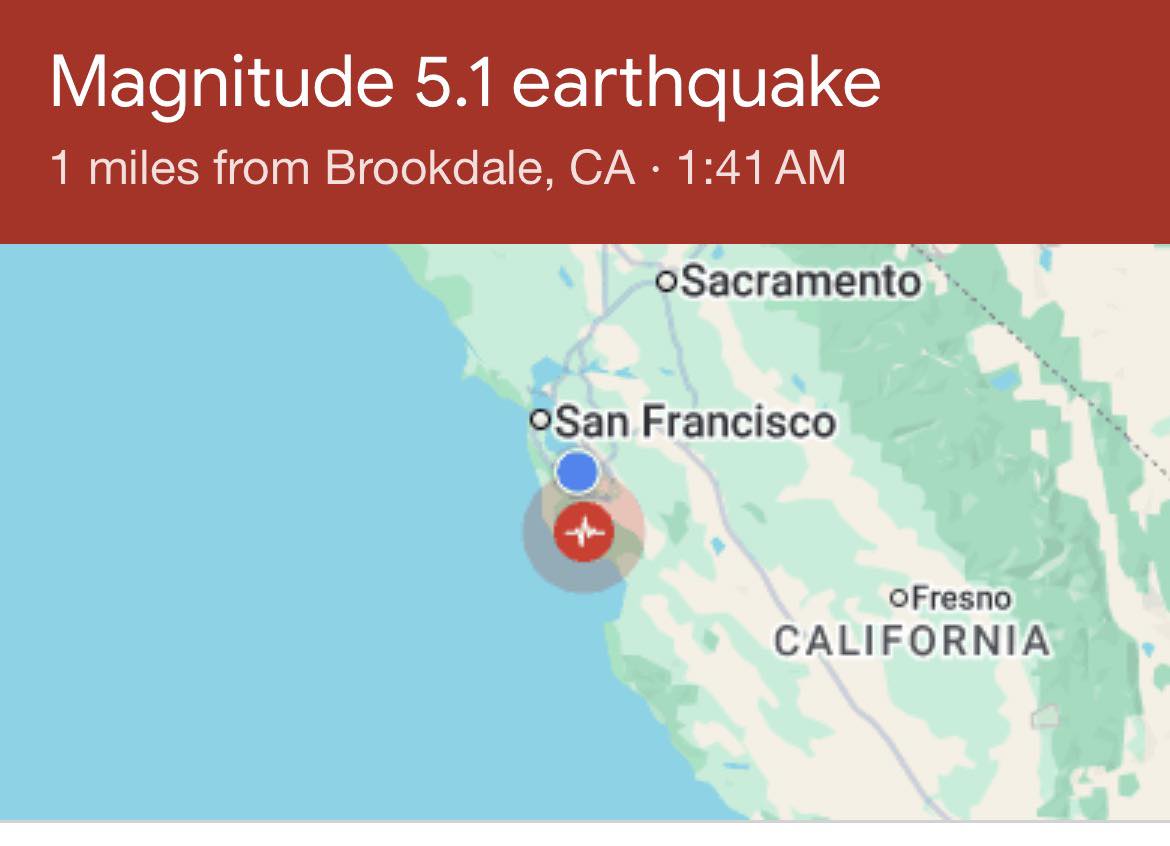
At 1:41 a.m. last night, thousands of East Palo Alto residents were abruptly awakened by a 5.0 magnitude earthquake. While this event did not result in widespread structural failure, its timing and intensity served as a visceral reminder of our vulnerability. This was not the "Big One," but it was a definitive warning.
We must confront the reality that we are not yet fully prepared for a catastrophic seismic event. While the City Council took a vital step last year by making emergency preparedness a formal priority, our current progress—while meaningful—is only the beginning of a long road toward true community resilience.
The Reality of Federal and State Support
It is imperative that we manage our expectations regarding outside assistance. Given the current political climate and the systematic gutting of FEMA, we cannot operate under the assumption that the federal government will provide a swift or comprehensive safety net.
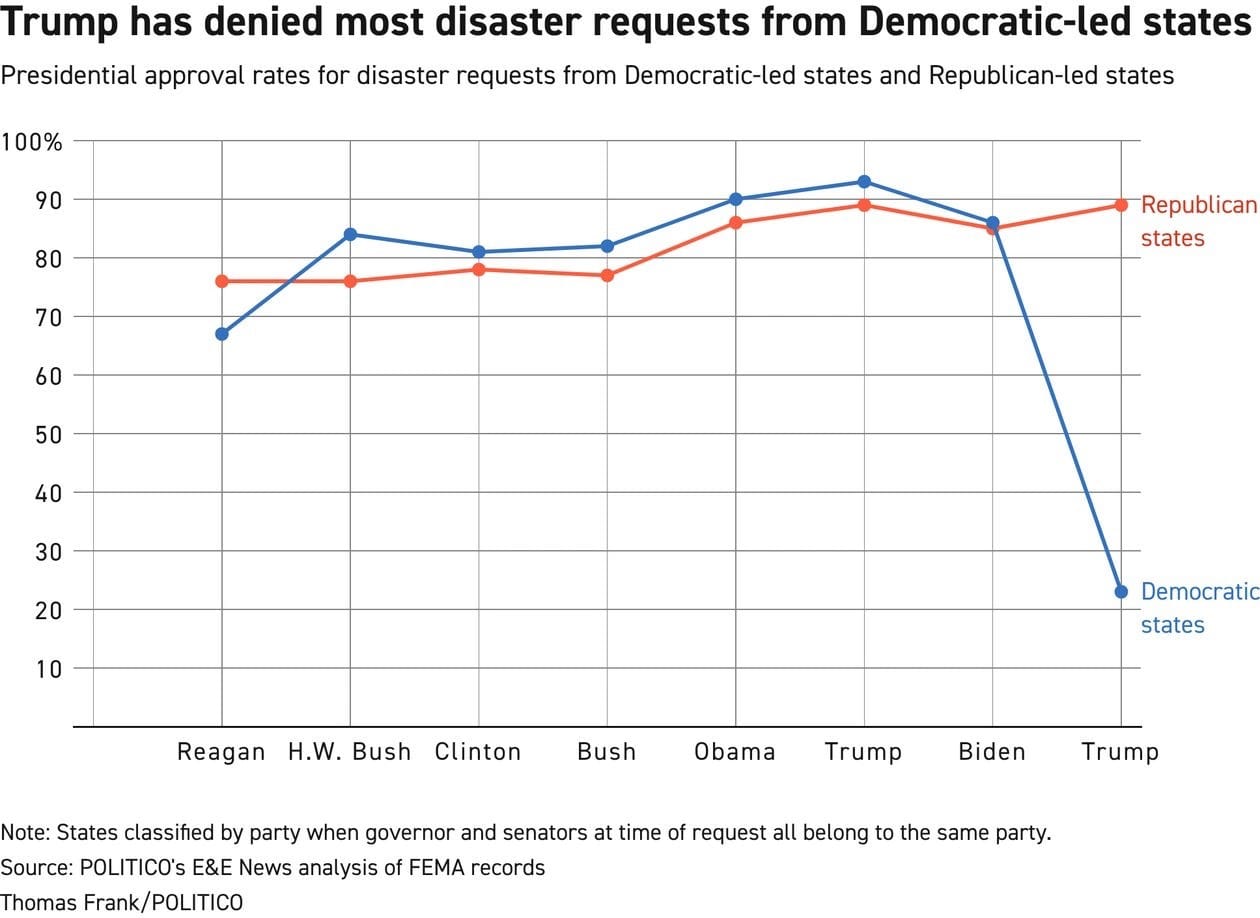
Furthermore, in the event of a major regional disaster, county and state resources will be stretched to their breaking point. We must prepare for a scenario where East Palo Alto is effectively isolated. In the initial days following a major earthquake, we will be on our own.
Our Strategic Roadmap for Resilience
The city has already begun updating emergency plans, conducting tabletop exercises, and training staff. However, several critical gaps remain that require immediate investment and coordination:
- Emergency Sheltering: Estimates suggest that up to 10% of our population could be displaced or homeless following a major quake. We must establish dedicated emergency shelter capacity within city limits immediately.
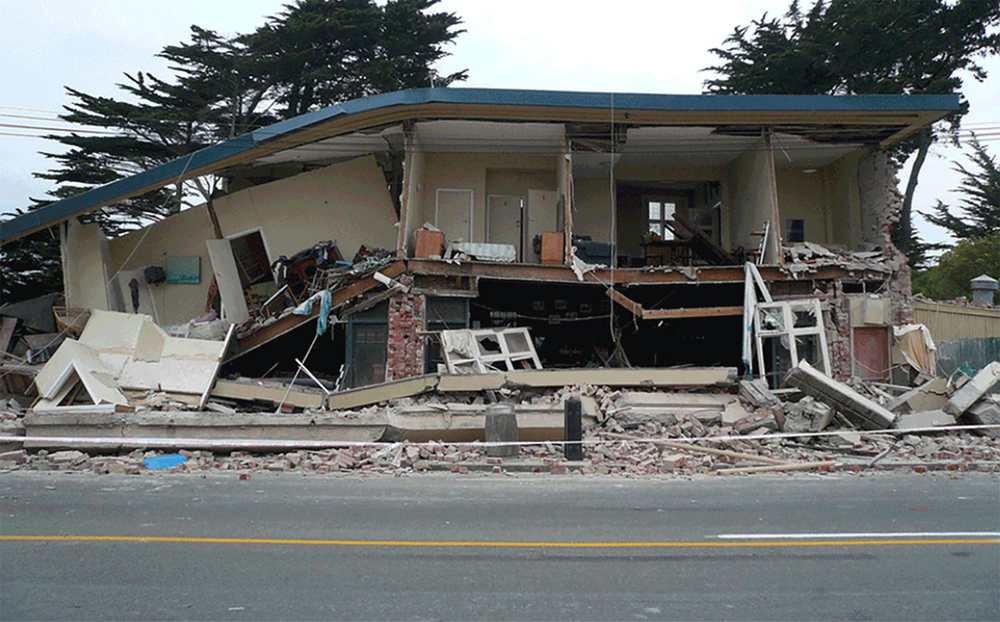
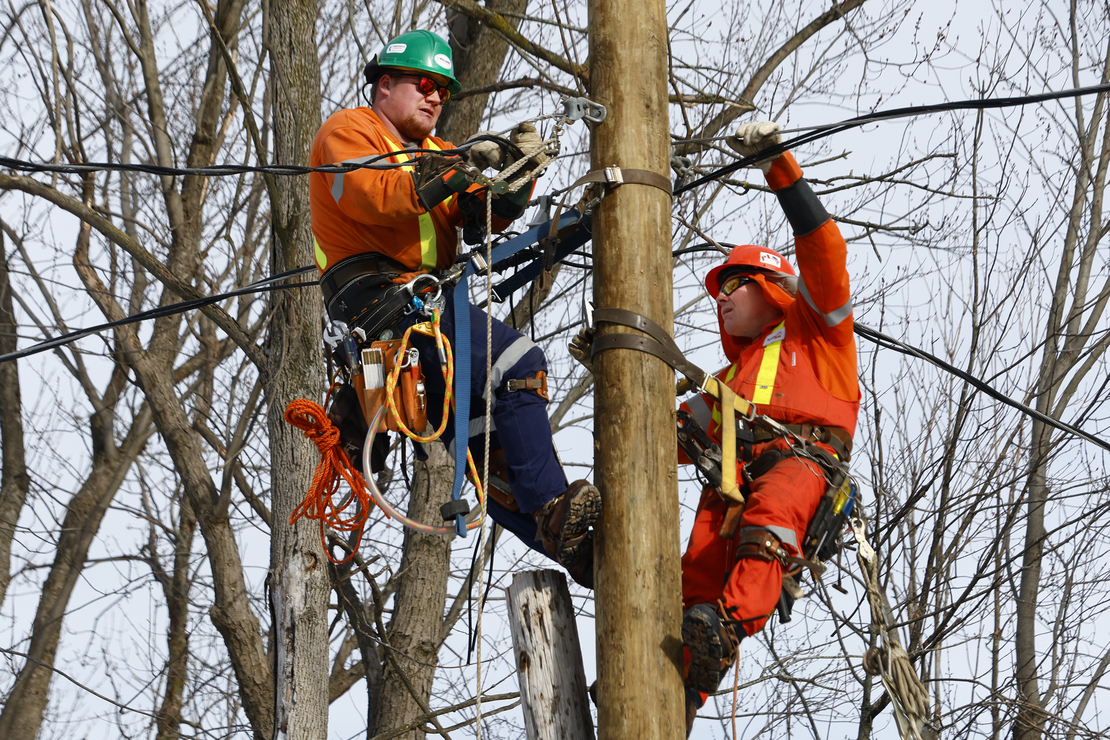
- Critical Infrastructure Failure: We must finalize protocols for extended power outages, the total loss of clean drinking water, and the failure of sewage systems. Resilience means having the hardware to survive when the grid fails.
- Institutional Coordination: A disaster response is only as strong as its weakest link. We need seamless, pre-defined coordination between the Ravenswood School District, Ravenswood Clinic, Boys & Girls Club, the YMCA, and our local faith-based organizations.
- Public Safety: History shows that public safety becomes a primary concern following natural disasters. We must anticipate these challenges and have a robust plan to maintain order and protect our residents.

- Investing in CERT: Our local Community Emergency Response Team (CERT) is our first line of defense. We must increase investment in this program to ensure volunteers are expertly trained in first aid, ham radio communication, and evacuation tactics.
- Stockpiling Essential Supplies: The city must prioritize the procurement of industrial generators, advanced water filtration systems, and large-scale emergency supplies, including cots, blankets, and mobile cooking equipment.

Action Steps for Residents
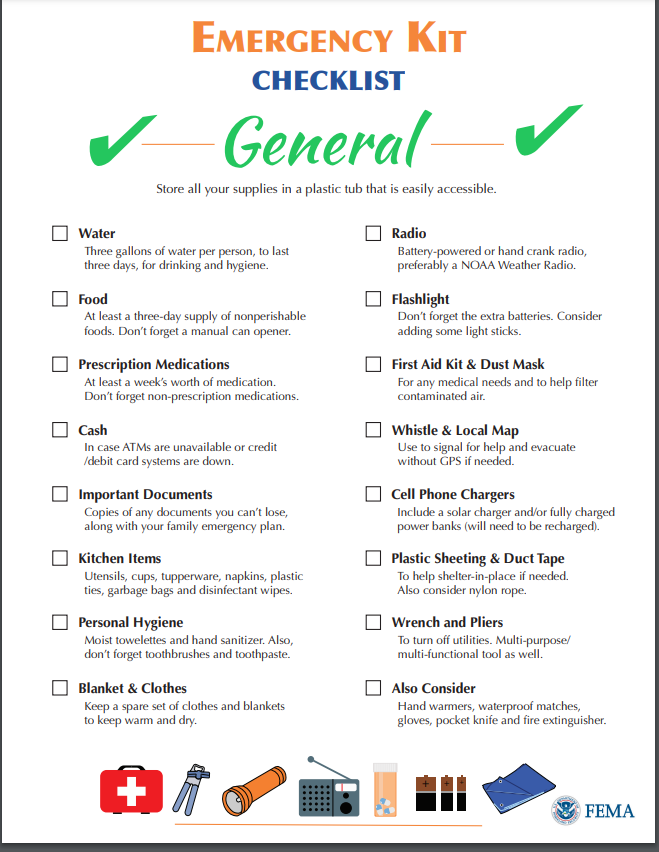
Individual preparedness is the foundation of community resilience. Every household must take proactive steps to ensure their own safety and self-sufficiency during a major disaster. Use the following checklist as a starting point; remember, even incremental progress is significantly better than being caught entirely unprepared.
Moving Forward
The 5.0 earthquake we felt last night was a gift of perspective. It provided us with a sense of urgency without the price of a tragedy. We have the roadmap, and we have the directive from the City Council. Now, we must find the collective will and the funding to ensure that when the next tremor hits, East Palo Alto stands ready, resilient, and self-sufficient.