20% of Zero is Zero: Why We Are Changing East Palo Alto’s Inclusionary Housing Policy
In 2019, East Palo Alto passed an ambitious Inclusionary Housing Policy. The goal was noble: ensure that new developments carved out space for low- and moderate-income residents. On paper, requiring a 20% on-site affordable set-apart for both rentals and for-sale homes sounded like a win for equity.
But six years later, the math has caught up with the ambition. The reality is simple and sobering: 20% of zero is zero. This was predicted by Jon White of Abode Housing in 2019 who correctly predicted the outcome of EPA's Inclusionary Housing polciy:
East Palo Alto Council Member Carlos Romero vigorously disagreed with Jon White, and has been proven to be wrong:
The Stagnation by the Numbers
Since the policy’s inception, exactly one unit of affordable housing has been built under these requirements. By setting the bar so high that projects became financially impossible to build, we didn't just lose out on affordable units—we lost out on housing altogether.
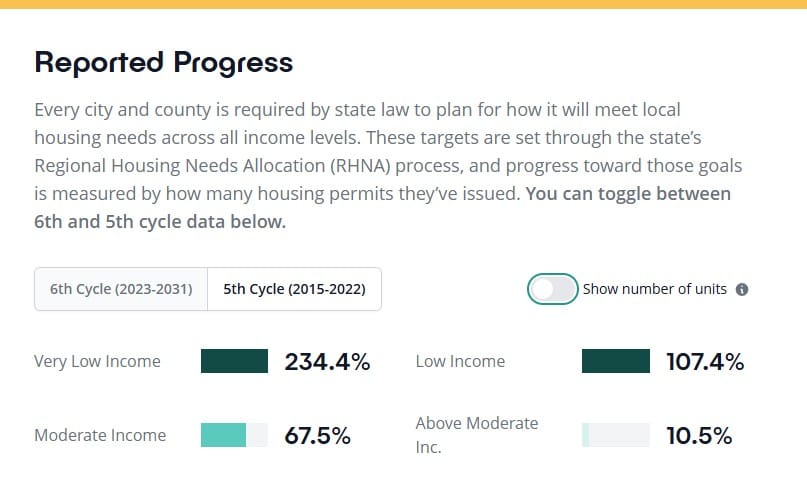
Our recent Regional Housing Needs Assessment (RHNA) cycle paints a clear picture of this failure:
- Market Rate Housing: We were required to build 266 units; we built only 28.
- Moderate Income Housing: We met only 67% of our goal (56 out of 83 units).
- The Risk: Continued failure to meet these state-mandated targets puts us in danger of having our Housing Element decertified by the State of California.
While we successfully overproduced subsidized housing for extremely low-income households (thanks to projects like Light Tree and Colibri Commons), we have completely choked off the "missing middle" and market-rate housing that a healthy city needs to thrive.
Why the Current Policy is Failing
Housing production is currently battling a "perfect storm" of external factors: high interest rates, rising construction costs, and rigid building codes. While East Palo Alto can’t control national inflation or trade tariffs, we can control our own fee structures.
By maintaining an extreme inclusionary requirement—including "In-Lieu Fees" as high as $299,200 per unit—we have effectively signaled to builders that East Palo Alto is closed for business. Unless the secret goal of the 2019 policy was to block all development, we must admit it has failed.
Why More Housing (of All Types) Matters
Some argue that market-rate housing doesn't help the average resident. The data suggests otherwise. Here is why we need to lower the barriers to construction:
- Empowering Renters: Right now, landlords hold all the cards because vacancy is extremely low. When supply is tight, renters compete for units. In a healthy market with more options, landlords must compete for tenants by lowering rents and offering incentives.
- Funding City Services: New construction is a primary driver of property tax revenue. If we want better parks, a well-resourced police force, and smoother streets, we need the tax base that new development provides.
- Health and Quality: Many of our current apartments are aging, utilizing gas appliances and lacking modern ventilation. New builds offer better air quality, energy efficiency, and safer living conditions.
- The "Austin Effect": We’ve seen it in cities like Austin, Texas—a surge in new production actually lowers rents across the board. As people move into new "Class A" buildings, it eases pressure on older "Class C" apartments, forcing those prices down to stay competitive.
 Liz Clifford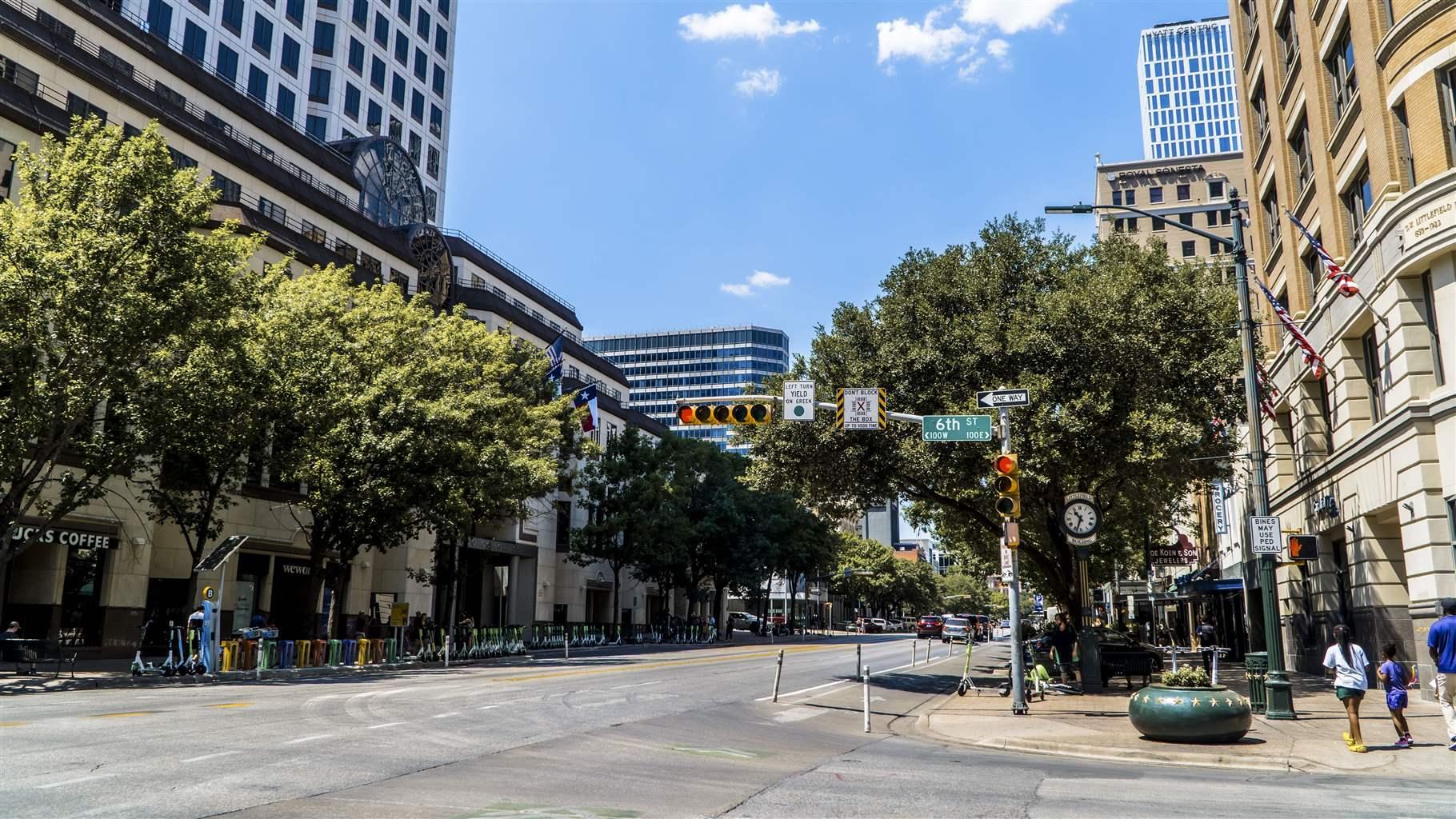
Turning the Page
We have tried the path of high fees and rigid mandates, and it has resulted in a standstill. High inclusionary fees haven't created a more affordable city; they have created a city where no one can find a place to live, and rents continue to climb.
To meet the market realities of 2026, we are moving to change or eliminate these prohibitive fees. It is time to implement a policy that leads to housing being built, not housing being blocked.
Let’s prioritize progress over posturing. Let's get East Palo Alto building again.